Advantages of Care Homes For People Living With Dementia

It’s common for family members and friends of someone living with dementia to feel guilty about seeking extra care for their loved one. There are an estimated 982,000 people currently living with dementia in the UK, and with prevalence continuing to grow, more and more families are reaching out for help. As a result of this, dementia care has continue to improve in recent years, with more care homes offering specialist, holistic dementia support.
For families, it can be difficult to understand when to ask for help and know what type of care is needed, not to mention the possible cost and other factors to consider. Moving into a care home can transform the quality of life for people living any type of dementia, including Alzheimer's disease and Vascular dementia. In this blog, we'll look at the advantages of moving into a care home, and when it might be time to consider moving into one.
What Do Care Homes Provide?
Transitioning from a hospital or home into a care home may not be easy for those living with dementia, yet there are a number of advantages for both the residents and families to living in a care home that will put everyones minds at rest.
6 Benefits of Living in a Care Home
- Your loved one will receive support from compassionate, qualified nurses, 24 hours a day.
One of the biggest reasons that people living with dementia move into a care home is due to being able to receive around-the-clock care. If you care for a friend or family member who lives alone, you will be familiar with the uncertainty that can arise between calls and visits. Therefore, the reassurance of knowing that your loved one is safe and cared for 24/7, and receiving dignified personal care when you can’t be there, can provide much-needed peace of mind.
- Care homes provide a safe and secure environment.
In a care home, resident safety is the top priority. Highly trained teams strive to create a secure and welcoming environment that is safe for everyone, no matter their mobility, mental health or care needs. For a person with dementia or cognitive decline, an environment that is designed to be safe, nurturing and inclusive is vital for a high quality of life.
In many specialist care homes, staff will have extensive dementia training, meaning they’re specifically trained, informed and skilled with caring for the varied symptoms that dementia can present. For example, if you're looking at care homes in Scotland check if the staff are certified by SSSC (Scottish Social Services Council) as well as being rated by the Care Inspectorate. The Care Inspectorate is an independent body that evaluates various aspects of a care service, including resident wellbeing, leadership, setting and care and support planning.

- Activities will help keep your loved one social and active.
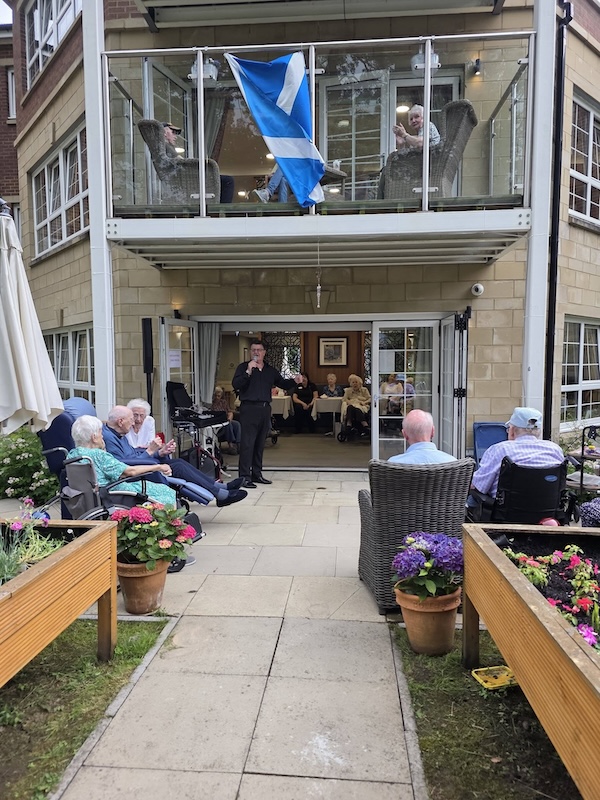
To ensure a great quality of life when living in a care home, the compassionate staff get to know their residents and their loved ones personally. This means that dedicated activities coordinators are able to organise entertainment and activities tailored to resident's hobbies and interests. This can include creative outlets such as art or music therapy, physical activities and games to promote gentle exercise, and outings into the local community.
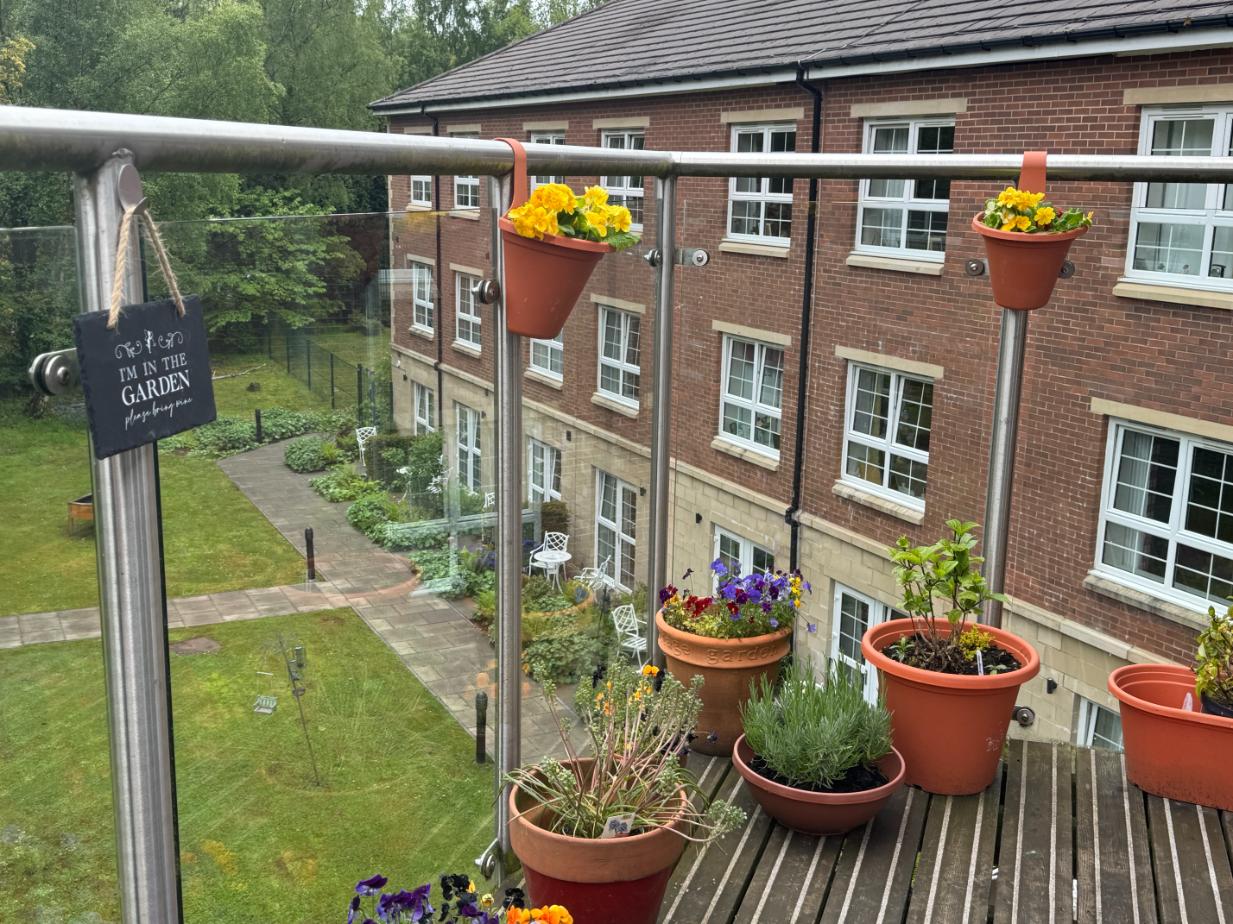
Enriching activities can take many creative forms; a fun example is the letterboxes at Bothwell Castle Care Home, placed at the end of every corridor for residents to engage in simple, meaningful tasks such as posting letters, offering a sense of familiarity and comfort.
Care Home residents who are living with dementia can take part in daily activities designed to stimulate them socially and mentally, all while receiving continuous support and encouragement. Staff are here to not only care for residents but to ensure they live meaningful lives, whatever that means for them.
- Delicious and nutritious chef-made food.
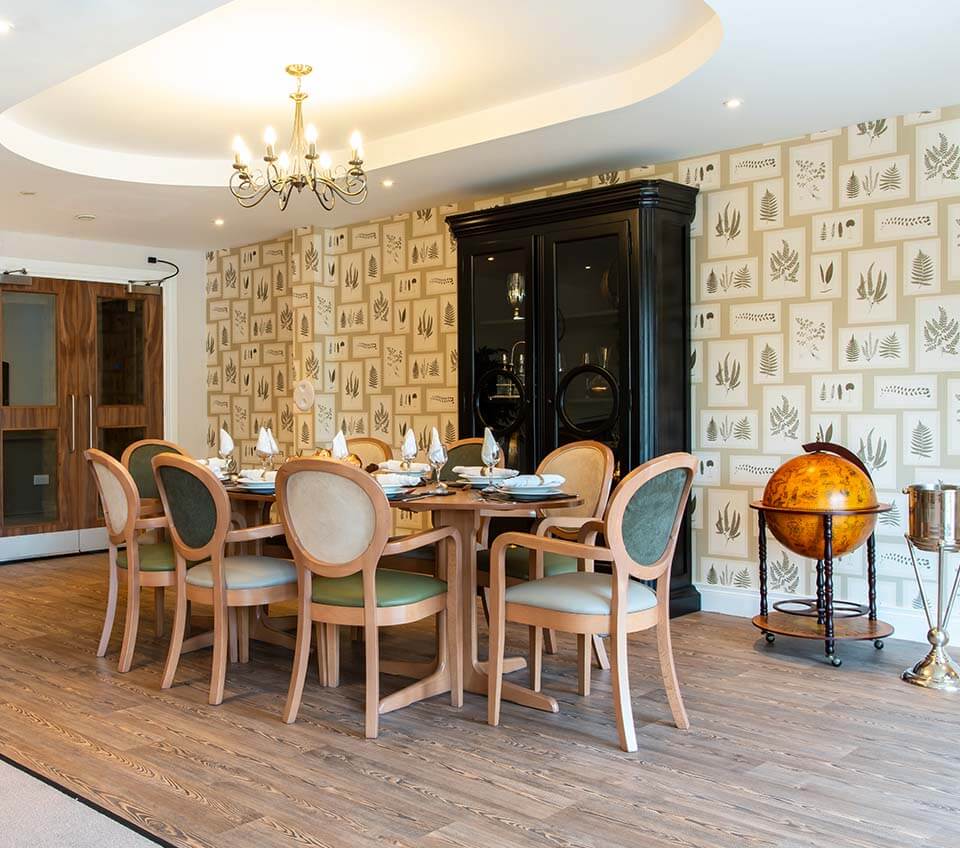
If your loved one is struggling to get in their nutrition at home, moving into a care home could transform their dining habits. An in-house chef provides regular meals to a high quality, with fresh and local food tailored to residents’ likes, dislikes and dietary needs. It's also widely acknowledged that sharing meals fosters closer bonds among individuals, and residents are often encouraged to enjoy the benefits of communal living. However, the option is always given for residents to enjoy their meal in the privacy of their own room, if they prefer, to maintain the self-esteem and dignity.
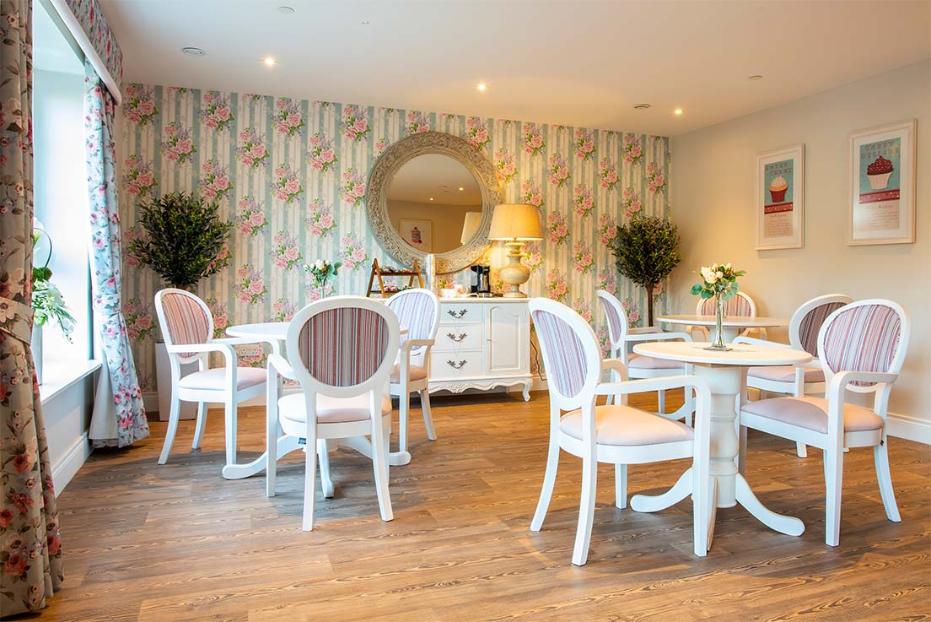
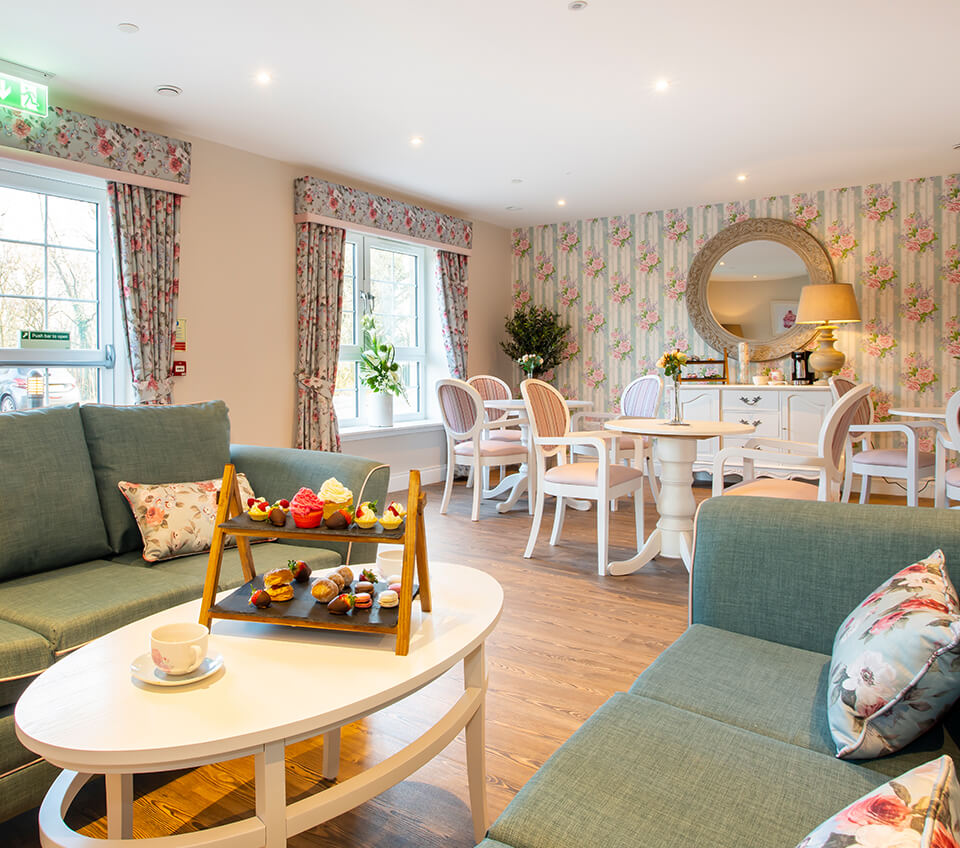
Patient and understanding care staff stand ready to assist residents who require support with eating independently. Most care homes will also extend an invitation to family members to dine with their loved ones, whether they choose to dine in our communal areas, the on-site tea room, or privately.


- You can enjoy visiting again.
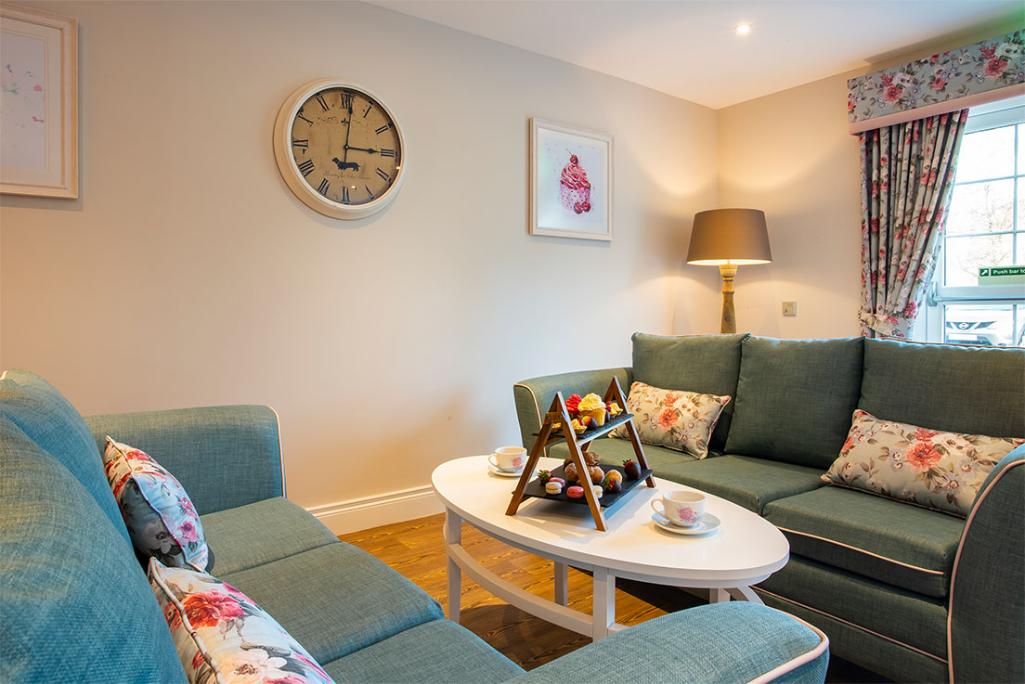
Caring for a person living with dementia can cause pressure and stress within your home, yet visiting your loved one or friend within a care home allows you to be able to enjoy spending time with them in a relaxing environment. This often greatly improves these close relationships, and you get to go back to being a friend, spouse, sibling or child, rather than a carer.
- You’ll receive advice and support from our expert colleagues.
If you have a question about the progression of your loved one's dementia, the experts at your care home will be able to help you with advice and support. The team members will be able to provide bespoke guidance due to spending time if you and your loved one, and will have your best interests at heart.
It's importance of supporting not only our residents but also their loved ones and the broader community. Some care homes even host dementia cafes or support groups, providing a tranquil retreat for all residents seeking a moment of respite, where families and individuals affected by the condition can come together for mutual support and engaging activities.
When Should Someone With Dementia go into a Care Home?
When to consider a care home depends on the type of care a person is currently receiving, how they are coping and the progression of their dementia; it's a personal question that only the individual and their loved ones can decide. Every person with dementia is different, as are their needs and requirements; some may need minimal support whereas others might need more complex or clinical assistance. Regardless of how much care your loved one may need, a great care home will prioritise a person-centred approach, with the end goal of helping them maintain their independence for as long as possible.
Dementa Care in Glasgow
At Bothwell Castle Care Home in Motherwell, we strive to ensure that everyone feels like a valued member of our home, making Bothwell Castle Care Home a true home away from home.
If you’d like to learn more about our home, the possible cost of care, including a financial assessment or further details about dementia care, please don’t hesitate to reach out to one of our friendly team members. We want to ensure this is the right care home for you, we're happy to answer any questions you may have, please get in touch.
This blog was updated on Thursday 26th March 2026.