
Whether you’re looking for care homes for a loved one or living in a care home yourself, you’re likely to have come across the phrase ‘person-centred care’. Person-Centred Care is an approach that is vital for the wellbeing and quality of life of anyone living in a care home, but what does it actually mean? In this blog, we’ll delve into the definition of person-centred care, why it is so important and how to ensure you or your loved one is receiving it.
What is Meant by Person Centred Care?
Essentially, person-centred care is just that: care that is centred around the person being looked after. It encompasses a wide range of techniques, from the skills of individual nurses and carers to the overarching practices of care facilities, all working together to ensure the individual remains at the heart of every decision.
At its core is a focus on the needs of the individual. This means ensuring care is not invasive or overbearing, to allow care home residents to stay independent wherever possible. Supporting independence in this way is essential for maintaining self-esteem, confidence and emotional health, helping individuals feel in control of their own lives.
A key part of this approach is recognising and respecting the person’s values. These are carefully noted and taken into account when making clinical decisions. Wherever possible, choices are made with the person, or at the very least discussed with them before being implemented. Nurses and care assistants rely on strong communication skills to explain the options in a simple, jargon-free way, ensuring both the individual and their loved ones feel informed, reassured and confident that everything is being done with the person’s best interests at heart.
Person-centred care also involves meaningful conversations between healthcare professionals, residents and their families. Professionals bring their expertise, such as treatment options, risks and benefits, while the individual contributes what they know best: their preferences, unique circumstances, goals, values and beliefs. Together, this creates a balanced and respectful approach to care.
Everyday Support
From both a nursing and everyday care perspective, people are always treated with dignity and respect. No matter the person’s needs, they are seen as a person, not a diagnosis, with the understanding that every individual is unique. Family members and loved ones are also kept closely involved and informed, helping to create a supportive and connected care environment.
Officially, The Health Foundation outlines four key pillars of person-centred care: care should be personalised, coordinated and enabling, and people should always be treated with dignity, compassion and respect.
Personalised Care Plans
At the heart of personalised care is a bespoke plan that has been created in collaboration with care experts, the individual being supported and their loved ones. This shared approach helps ensure that every aspect of care feels considered, respectful and truly tailored to the person.
These care plans are responsive and flexible, evolving alongside the needs, preferences and interests of the individual they are built around. As circumstances change, so too does the plan, providing reassurance that care will always reflect what matters most to the person.
Importantly, a personalised care plan goes beyond clinical needs. It also captures a person’s history, daily routines, culture and preferences, including their hobbies and interests. By understanding the whole person, not just their health requirements, care becomes more meaningful, familiar and comforting.
A Holistic Approach to Care
Person-centred care goes hand-in-hand with holistic wellbeing support. This approach recognises that a person’s overall health is shaped by every aspect of their life, so care should support physical, psychological, spiritual and emotional wellbeing equally.
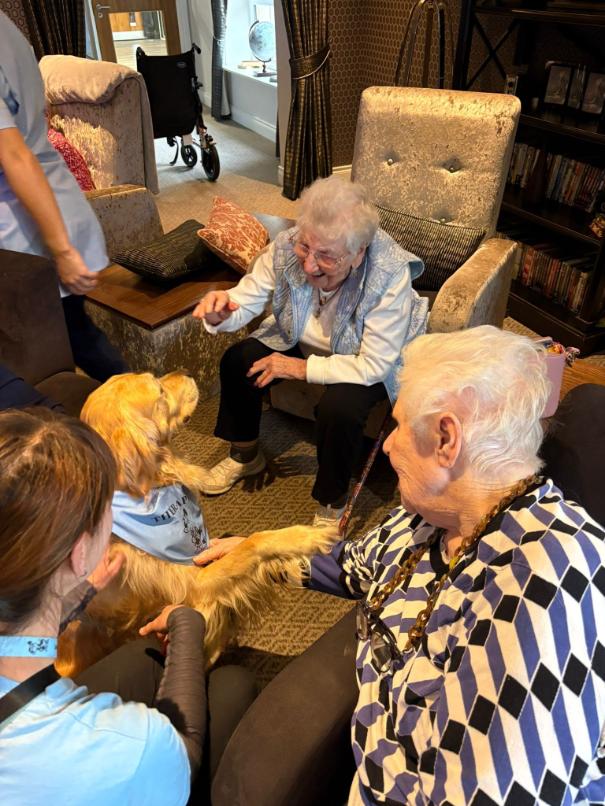
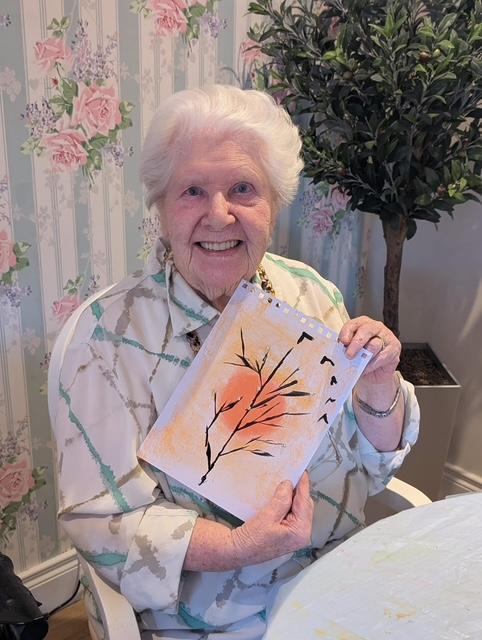
This can be seen in the smallest details, from the way someone is communicated with, to the calming and relaxing environment they spend time in, as well as the engaging and stimulating activities they are encouraged to take part in. Each element plays a role in helping individuals feel safe, valued and at ease.
Choice is also a huge part of person-centred care. Many care homes offer a range of facilities, with a combination of private spaces and communal areas, both indoors and outdoors. This allows people to choose how they spend their time, whether they prefer quiet moments alone or social interaction with others.
Social activities are especially important for both mental and physical health. It has been shown that loneliness can have a negative impact on overall wellbeing and happiness, so creating opportunities for connection, enjoyment and engagement is a vital part of delivering truly person-centred care.
Benefits of Person Centred Care
Person-centred care offers a range of meaningful benefits, all of which contribute to a more positive, supportive and empowering care experience.
Empowers Residents’ Independence
By focusing on the individual, person-centred care helps bring confidence and independence. This can lead to better emotional and physical health, as people feel more in control of their daily lives. It can also encourage individuals to look after themselves more actively and even try new hobbies or interests, which can have a lasting positive impact on overall wellbeing.
Collaborative Approach
Care plans are shared with everyone involved in a person’s care, including GPs, care home staff and specialists. When everyone has a clearer understanding of the whole person, not just their condition, it becomes easier to make informed decisions that positively impact both their health and overall quality of life. This joined-up approach helps ensure consistency, clarity and reassurance for both residents and their families.
Maintaining Control
A key benefit of person-centred care is that residents remain in control of their own health and decisions. Treatments that align with their values are often less invasive and more comfortable, allowing individuals to play an active role in their care. This sense of control can be incredibly reassuring and helps people feel respected and heard.
Improved Clinical Outcomes
Person-centred care has been shown to improve the physical health of people with long-term conditions. Individuals are often less likely to rely on emergency services and may avoid potentially stressful hospital stays. By tailoring care to the person, outcomes can become more stable and manageable over time.
Better Overall Quality of Life
All of these factors combined contribute to a better quality of life. People are often happier with the treatment they receive, the way staff support and interact with them, and their overall lifestyle, because it is one they have helped to shape and choose.

Person Centred Care in Dementia
Person-centred care is arguably even more important when it comes to dementia care, as the symptoms of the condition can make communication more difficult. This can make it harder for a person to let care staff know when they are uncomfortable or how they are feeling, as well as to understand and make informed decisions about their health. For this reason, it is extremely important for family members to be involved wherever possible, and for a personalised care plan to be created as early as possible in the person’s dementia journey.
Dementia is an umbrella term for over 100 conditions that affect the brain, meaning it can impact individuals in very different ways. Symptoms such as memory loss, difficulty with decision making, confusion and even hallucinations can make more traditional care approaches challenging. Because of this, nurses and care staff should be specifically trained to manage these symptoms with compassion and understanding. Residents should always be treated with empathy, with situations considered from their point of view. Even if communication becomes more difficult, it remains essential that the person is kept closely involved in their care.
Activities also play an important role in supporting those living with dementia. Dementia-friendly activities, designed around a person’s interests and life history, can have a meaningful impact on cognitive health and overall wellbeing. This might include sensory spaces, reminiscence sessions or creative outlets that encourage self-expression, helping individuals feel more connected, engaged and understood.
Person-Centred Care in Glasgow
At Bothwell Castle Care Home in Glasgow, our compassionate care team go above and beyond to provide the highest quality person-centred care. Whether they are receiving residential, nursing, dementia or respite care, our 24-hour support is built around the individual, ensuring exceptional standards of wellbeing every single day. To learn more about our luxury facilities or exceptional care, get in touch with our friendly team or arrange a home tour today. We can't wait to meet you.