The “right time” to move into a care home will be different for every person, and can depend on many factors such as a person’s current housing, their access to family support and their specific situation. Many of the signs that someone may benefit from care home living will show up gradually, so it is a good idea to start the conversation early, so you can search for your ideal care home in South Lanarkshire at your own pace.
What Do Care Homes Provide?
Care homes provide a safe and homely environment with 24-hour care and assistance, for total reassurance. A compassionate and professional team helps each resident with personal care such as using the bathroom, washing, dressing, mobility and eating. This support is personalised meaning that staff do not interfere unless asked or required, helping residents maintain dignity and their independence wherever possible.
A care home also takes care of everyday chores such as cooking and cleaning, by providing laundry services and home-cooked meals. Many homes even have a seasonal menu with customisable options, so residents can look forward to mealtimes without the hassle of planning and grocery shopping.
This freedom enables residents to focus on doing what makes them happy, such as picking up new and existing hobbies, taking part in a range of activities or simply relaxing in their bedroom.
Signs Your Loved One May Benefit from a Care Home
Everyday Tasks Are Becoming More Difficult
If your loved one is starting to need more support to manage everyday tasks, a care home might be the best option for all involved. They might begin to struggle with washing, dressing, using the bathroom or moving around their home as their mobility or dexterity decreases, whether it is due to natural aging or an ongoing health condition.
In a care home, friendly and patient staff are on-hand round-the-clock to support with these daily tasks, while encouraging as much independence as possible. If your loved one is reluctant to move into a care home due to fear of losing their autonomy, you can reassure them that a good, person-centred care home will only intervene if asked or if needed due to safety. Residents can also choose what their daily routine looks like, what they wear and where they eat, helping them maintain their confidence and sense of self.
Caregiver Burnout
Caring for a loved one can be very rewarding, but can become unsustainable as a person’s needs increase. As an individual gradually requires more time and support, their primary carer can be at risk of burnout, poor mental health or strain on their relationship, especially if they have their own children or other responsibilities.
Many families find that after moving into a care home, their relationships with their loved ones actually improve, as the dynamic can return to normal. Some care homes don’t have restrictions on visiting hours and are happy for you to take your loved one out for the day, meaning that you can focus on spending quality time with your family.
They Can No Longer Maintain A Household
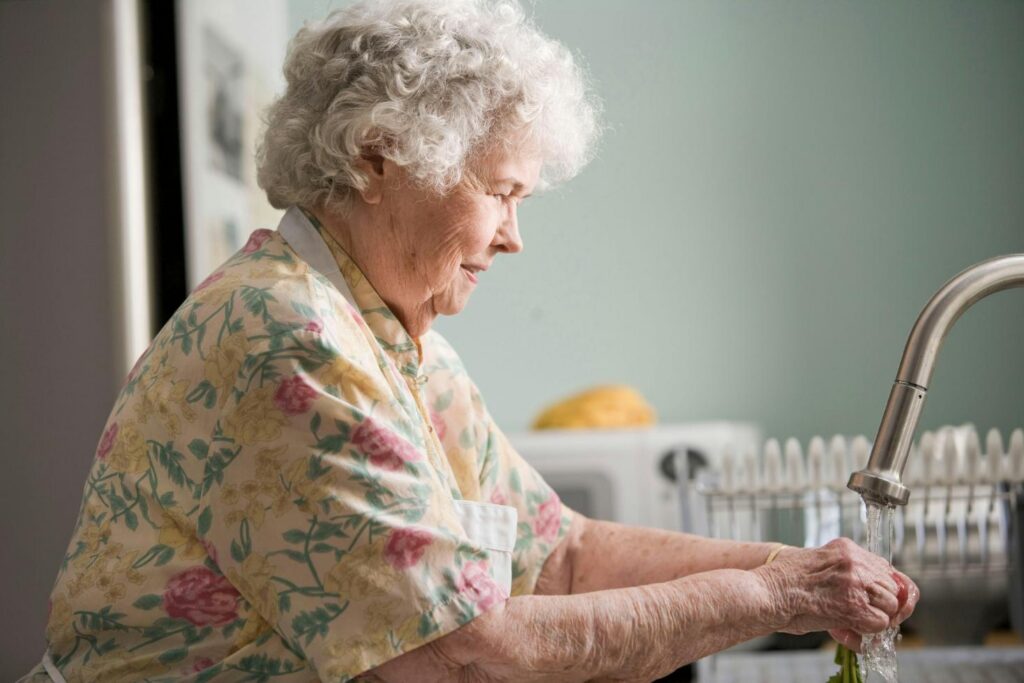
As we age, daily chores like cooking, cleaning and laundry can become challenging and much more tiring. However, if these essential tasks are neglected, it can lead to an unbalanced and non-nutritious diet and a dirty, cluttered living environment. This can affect a person’s physical and mental health, putting them at risk of illness or falls.
A Care Home environment provides a warm and welcoming space, designed with accessibility and comfort in mind. Staff take care of all household chores, keeping the home clean and tidy. Home-cooked, nutritious meals are also provided and tailored to residents’ dietary requirements and preferences, enabling residents to focus on relaxing and doing what matters most to them.
Their Safety is at Risk At Home
As previously mentioned, the risk of falls dramatically increases when a person is not able to keep a house as tidy as they used to. These emerging trip hazards are even more dangerous if a person is living alone and not able to get to a telephone.
A person’s home may simply become unsuitable for their needs. For example, they may require handrails in a bathroom, or no longer be able to manage stairs. Additionally, difficulty using appliances such as an oven or electronics can potentially lead to dangerous outcomes.
Many people move into a care home to recover after an accident. Therefore, it is best to be proactive and look out for these signs in order to avoid a stressful incident before it happens.
They are Disorientated or Confused
If a person is living with the early stages of dementia, they are likely to be able to continue living at home for some time. However, because dementia is a progressive condition, it is imperative that the person’s loved ones monitor their symptoms closely, to avoid accidents or undue risk.
Memory difficulties and confusion are common symptoms of many types of dementia, which can become problematic if living alone. Behavioural changes and disorientation can also make it difficult for a person’s loved ones to continue caring for them. If left unnoticed, these can lead to the person getting lost, using the phone
In a care home, care assistants and nurses are specially trained in reducing stress and anxiety in people who are living with dementia. The buildings themselves are also purposefully designed to be dementia-friendly, with contrasting colours, good lighting and clear signposting.
They Are Feeling Lonely
Another advantage of group residential care is the social opportunities it presents. Many older people feel isolated and lonely at home, especially if they are no longer able to leave the house independently to meet with friends or community groups.
In a care home, residents are surrounded by peers in a similar situation and many make close friendships after moving in. Staff can introduce residents who have similar backgrounds or hobbies, and group activities bring people together in a fun and natural way. Nonetheless, residents can also choose to spend time alone in their private bedroom whenever they feel like it.
They Are Neglecting Their Hobbies
If an individual is finding everyday life more difficult, they may not have the energy or time to do the things that make them happy. A lack of mental stimulation can be a slippery slope towards poor emotional and physical health. However, the support given in a care home can give residents back the time and drive they need to continue doing what they love.
Care home activity programmes are built around the residents living there, with a mixture of group and 1-1 sessions. Residents are encouraged to continue doing what makes them happy to maintain their individuality and self-esteem. There will also be many new activities to try, to exercise all parts of the mind and body. For example, gentle exercise sessions and outdoor activities such as gardening help build strength and mobility, while creative outlets like painting and music can encourage self-expression, communication and fine motor skills.

Who Needs Nursing Home Care?
Nursing care offers an extra level of support than standard residential care, and is designed for those with physical disabilities or long-term health issues.
If a person’s medical situation means they require regular treatment or constant monitoring, a nursing home would be the best option. In contrast, residential care focuses on personal care and everyday support from care assistants, instead of qualified nurses.
Some care homes, known as dual-registered care homes offer multiple types of support, such as residential, nursing and dementia care. This continuum of care means that if a person’s care needs increase, they can stay in the care home they are familiar with.
Our Care Home in South Lanarkshire
Here at Bothwell Castle Care Home, we want you to feel confident and measured that your loved one is in safe hands. We work closely with families to provide advice and support throughout the care process, from your first visit to creating a bespoke care plan with our experts.
We are proud to provide exceptional standards of nursing, dementia, residential and respite care, alongside a luxury lifestyle. If you’re looking for your ideal care home in South Lanarkshire, we would love to invite you and your loved ones to book a personalised tour of our home, and answer any questions you may have.